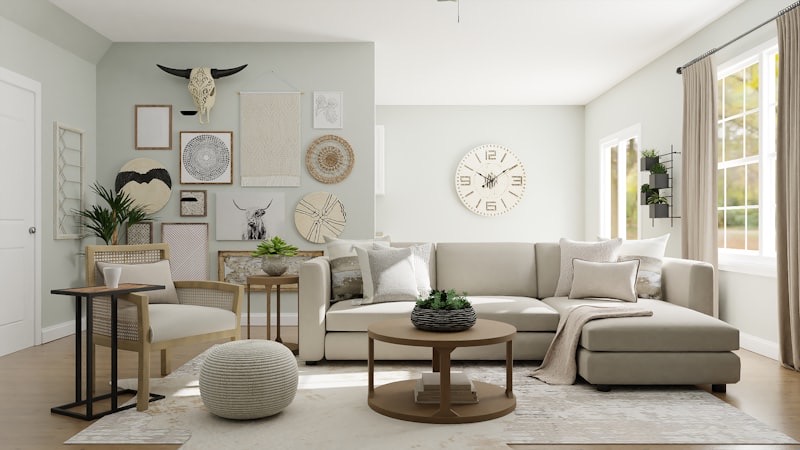
They Look the Same in Photos. They’re Not.
If you’ve spent any time researching flooring online, you’ve probably noticed that LVP and laminate look nearly identical in product shots. Same wood-grain patterns, same wide-plank formats, same range of oak-to-walnut tones. So why does it matter which one you choose?
Because they’re built completely differently, and those differences show up in real life. Water in a basement. A dog that never stops shedding. A kitchen where someone will definitely spill a full pot of water at some point. In those moments, which floor you’re standing on matters a lot.
This article breaks down exactly what each product is, how they compare across the things that actually affect your day-to-day life, and which one makes more sense room by room. No filler, no vague “it depends.” Just the honest answer.
What LVP Actually Is
LVP stands for Luxury Vinyl Plank. (Yes, we know the name includes the L-word. We avoid it when describing ourselves, but it is the actual product category name.)
The important thing to understand about LVP is what it’s made of: vinyl all the way through. The core is solid PVC or a composite of vinyl and limestone, which makes the plank completely impervious to water from top to bottom. Above that core sits a photographic layer (a high-resolution image of wood grain), and on top of that, a wear layer measured in mil that protects the surface from scratches and daily abuse.
That construction is what separates LVP from everything else. The Resilient Floor Covering Institute classifies these products as fully waterproof, and the vinyl core is not going to swell, buckle, or grow mold if moisture gets to it. It’s why LVP is described as 100% waterproof, not just water-resistant.
LVP typically installs one of two ways:
- Click-lock (floating): Planks interlock and float over the subfloor without glue. The most common residential method. Easier to install and to replace individual planks down the road.
- Glue-down: Planks are adhered directly to the subfloor. More stable underfoot, preferred for large open spaces or radiant heat systems.
Wear layer thickness matters for durability. For most residential rooms, 12 mil handles everyday traffic without issue. In high-traffic areas or homes with large dogs, 20 mil is worth the bump in price.
What Laminate Actually Is
Laminate flooring is often confused with LVP because the finished look is so similar. But the construction is fundamentally different.
Laminate has a wood-fiber core, typically high-density fiberboard (HDF). That core gives laminate its solid, dense feel underfoot, which many people actually prefer over vinyl. On top of that core sits a photographic image layer (same concept as LVP), topped with a hard, clear wear layer.
The problem with that wood-fiber core is simple: wood swells when it gets wet. Laminate can handle a spill if you clean it up immediately. Leave standing water on it, or install it below a grade where moisture seeps through a concrete slab, and you’ll have warped, bubbled flooring.
That’s not a flaw unique to cheaper laminate. Even high-end laminate behaves this way. It’s a function of the material, not the quality tier.
Laminate’s AC rating tells you how much wear the surface can take:
- AC3: Handles normal residential foot traffic well. Good for bedrooms, living rooms, low-traffic areas.
- AC4: Rated for heavy residential or light commercial use. Worth it for hallways, high-traffic living areas, or anywhere kids are running.
- AC5: Commercial-grade. Usually overkill for a home, but available if you want maximum surface durability.
The higher the AC rating, the tougher the surface, but the water limitation stays the same regardless.
LVP vs. Laminate: Head-to-Head
Here’s how the two products actually compare across the factors that matter most in a residential install:
| LVP | Laminate | |
|---|---|---|
| Water resistance | 100% waterproof (vinyl core) | Low to moderate; wood-fiber core will swell with sustained moisture |
| Durability | Very good; 12-20 mil wear layer handles daily abuse | Good; AC3 to AC5 surface ratings, harder to dent than LVP |
| Feel underfoot | Slightly softer, with some flex and bounce depending on thickness | Harder and denser; feels more like real wood underfoot |
| Cost (installed) | $3.99–$6.99/sq ft | $3.99–$5.99/sq ft |
| Installation | Click-lock or glue-down; DIY-friendly | Click-lock; DIY-friendly but requires acclimation time |
| Appearance | Highly realistic; texture and embossing have improved significantly | Highly realistic; the best options are hard to distinguish from LVP |
| Lifespan | 20-25 years with proper care | 15-25 years with proper care |
| Refinishable | No | No |
| Radiant heat compatible | Yes (most products) | Sometimes; check manufacturer specs |
| Best for | Kitchens, basements, bathrooms, high-moisture rooms, whole-home | Bedrooms, living rooms, offices, dry-area renovations |
One note on feel: this is the most underrated difference between the two products, and it’s genuinely hard to evaluate from a photo or a product description. LVP has a slight give to it. Laminate is denser, firmer, more rigid. Some people love the solidness of laminate underfoot. Others find it cold. Neither is wrong, but it’s worth experiencing in person before you commit.
Which is exactly why we bring both to your door.
Book a Free Consultation: See Both in Your Space
Before you decide, see how LVP and laminate actually look and feel in your home. We bring both to your door, in your lighting, next to your walls, on your floor.
No pressure. No obligation. No trip to a showroom.
Room-by-Room Recommendations
This is where the decision usually gets made. Here’s our honest call by room:
Kitchen
LVP. No question. A kitchen will see spills, splashes, steam, and the occasional flooded dishwasher. Laminate cannot handle sustained moisture. LVP can. This one isn’t close.
Bathroom
LVP only. Same reason. Laminate should not go in a bathroom. Full stop. Even low-level humidity and the moisture around a tub or shower will eventually work its way into the edges and cause swelling. LVP is designed for exactly this environment.
Basement
LVP. In Utah specifically (more on this below), basements present a moisture challenge. Concrete slabs hold and release moisture seasonally. LVP sits on top of that slab without absorbing anything. Laminate, over time, will feel that moisture, especially in the spring.
Living Room
Either, depending on your priorities. If you want the firmest, most wood-like feel underfoot and you’re disciplined about cleaning up spills quickly, a high-quality AC4 laminate is a great choice here. If you want zero water anxiety and the flexibility to continue the same floor from another room, LVP works just as well.
Bedroom
Either. Bedrooms are the easiest room to floor: low traffic, low moisture, rarely a high-stakes environment. Budget and personal preference should drive the call here. Laminate’s denser feel can be particularly nice in a bedroom. LVP is the better choice if you’re running the same floor throughout and want continuity.
Home Office
Either. Same logic as bedrooms: low moisture, moderate traffic. LVP is the safer call if you have a fridge or coffee station in the space. Otherwise, laminate works fine.
Laundry Room
LVP. A washing machine malfunction is not a matter of if, it’s when. One hose leak on laminate is a floor replacement. On LVP, it’s a cleanup.
The Utah Factor
A quick word for homeowners in the Salt Lake Valley and Utah County specifically: our climate affects this decision more than most guides will tell you.
Utah homes have two relevant characteristics. First, our basements. The Wasatch Front sits on soil with variable moisture content, and concrete slabs in finished basements absorb and release that moisture through the seasons. This is a stronger argument for LVP in Utah basements than you’d get reading a generic flooring guide written for a dry Southwest climate or a humidity-heavy Southeast climate.
Second, Utah’s dry climate upstairs actually works in laminate’s favor. The biggest risk to laminate in more humid regions (ambient moisture causing swelling at the joints over time) is less of a concern in our dry mountain air. A bedroom or living room in a Sandy, Draper, or South Jordan home is a reasonable environment for laminate, particularly if you’re managing costs across a larger renovation.
The rule we follow with our customers: if there’s a drain, a pipe, or a below-grade slab anywhere near the room, use LVP. Everywhere else, you have a real choice. For full pricing details on both options, see our 2026 flooring cost guide.
Our Honest Recommendation
Here’s how we’d break it down:
Choose LVP if:
- Any part of your project includes a kitchen, bathroom, laundry room, or basement
- You want one floor throughout your home without worrying about where it can and can’t go
- You have pets or kids and want maximum resilience
- You’re renovating a rental property and want the lowest-maintenance option long-term
Choose laminate if:
- You’re flooring dry-area rooms (bedrooms, a home office, a living room with no moisture risk)
- You prefer the firmer, denser feel underfoot
- Budget is the primary consideration and moisture is not a factor in the space
- You’re replacing existing laminate and want to stay in category
Neither is a compromise. Laminate is a genuinely good product for the right rooms. LVP is the right product for the rooms where moisture is a real variable. The worst outcome is putting laminate somewhere it doesn’t belong, not because you made a bad choice, but because no one told you clearly where the line was.
That’s what the free consultation is for. We bring both products to your home, walk through your rooms, and give you our honest read on what makes sense where. You see it in your space, in your lighting, next to your furniture, before anything gets installed.
No showroom trip. No second-guessing. No regrets.