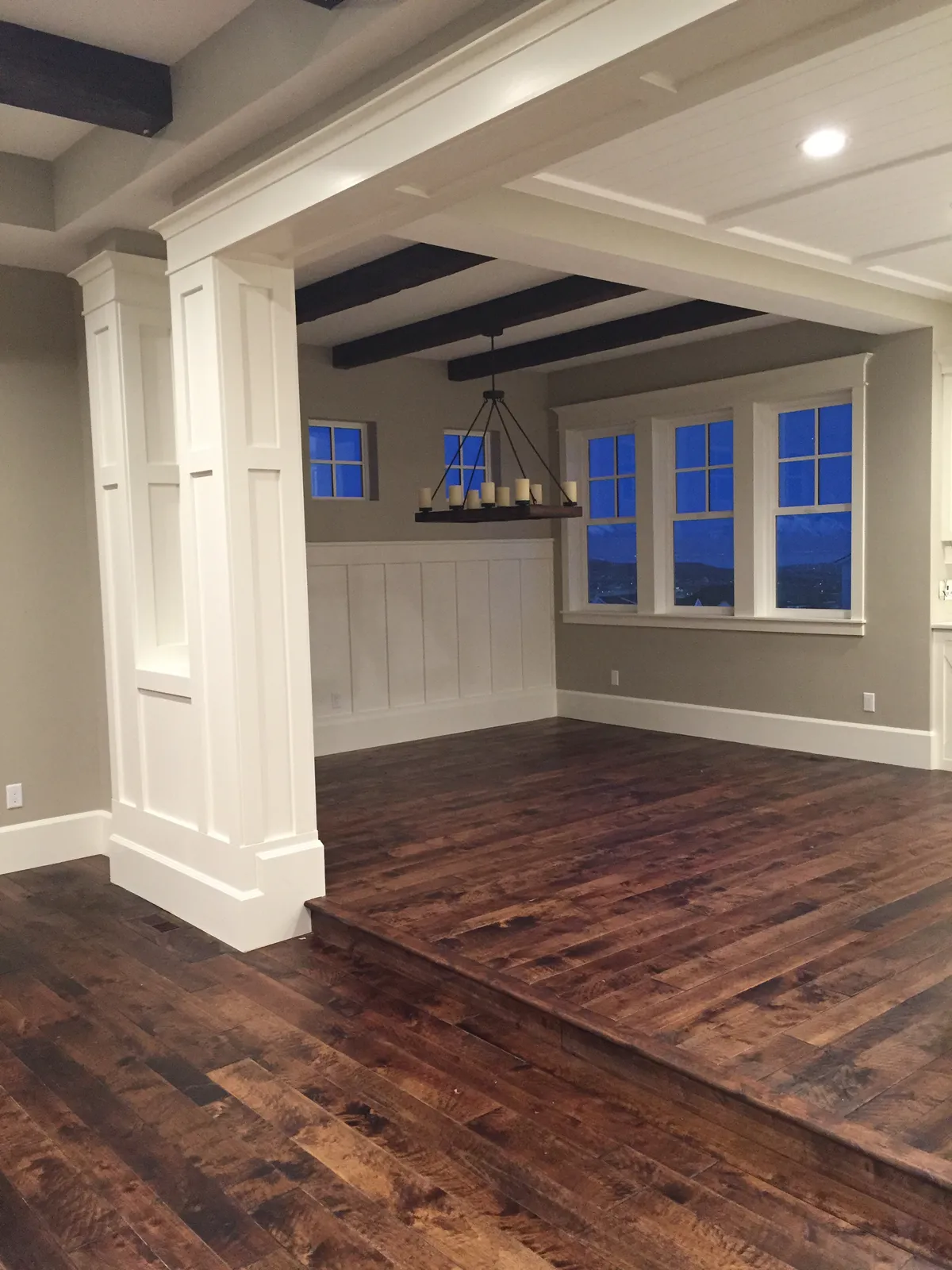
If you are searching for wood floor refinishing Salt Lake City, you probably already have real hardwood in the house and you are trying to decide if it is worth saving.
That is the right question.
Salt Lake City has a lot of older homes with wood floors that still have plenty of life left. The Avenues, Sugar House, Liberty Wells, Millcreek, Yalecrest, Holladay, and 9th and 9th are full of houses where refinishing can preserve character and cost less than a full replacement.
But not every floor should be refinished. Some need board repair first. Some have been sanded too many times. Some have moisture or patch history that makes replacement the cleaner long-term answer.
This guide helps you sort that out before you spend money in the wrong direction.
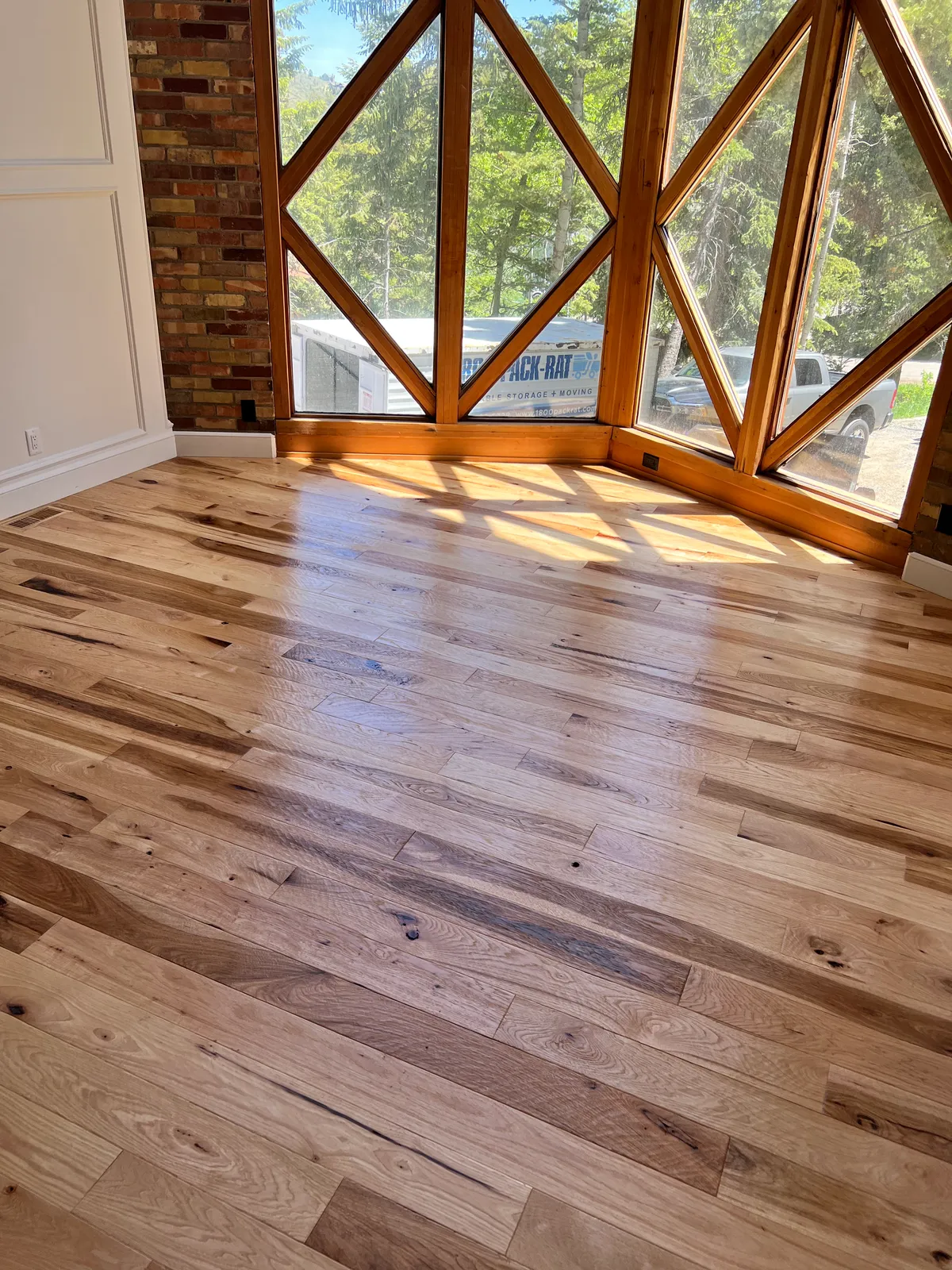
When Wood Floor Refinishing Makes Sense
Refinishing is usually the best move when the floor is structurally sound but looks tired.
Good candidates usually have:
- widespread scratches or dull finish
- traffic-lane wear through main rooms
- an old stain color that dates the house
- minor gaps that are normal for Utah’s dry climate
- solid boards with enough thickness left to sand
- original hardwood that adds value to the home
In older Salt Lake homes, original hardwood is often worth checking before you cover it or rip it out. Even if the surface looks rough, the floor may be strong underneath.
The key is thickness. A floor can only be sanded so many times. If the wear layer is too thin, refinishing can expose nails, weaken boards, or leave the floor worse than it started.
When Repair Comes Before Refinishing
Some floors need selective repair before the full room is sanded and finished.
That usually means:
- replacing pet-stained boards
- fixing a water-damaged section near a kitchen, bath, or patio door
- patching old wall moves or remodel cuts
- tightening loose boards or squeaks
- blending a bad previous repair into the rest of the room
This is common in Salt Lake City because many homes have been remodeled in layers. A kitchen changed in the 90s. A wall came down later. Carpet covered hardwood for 30 years. Then someone pulls everything up and finds three different versions of the floor.
Repair can work well, but matching matters. Species, width, age, cut, and stain absorption all affect whether the patch disappears or looks like a patch forever.
When Replacement Is the Better Call
Replacement is the better answer when refinishing would only delay the real fix.
That usually happens when:
- boards are too thin to sand again
- water damage is widespread
- cupping or buckling has changed the shape of the floor
- previous patches are too obvious or too many
- the layout needs to change anyway
- the existing wood no longer fits the way the home is being used
Replacement does not always mean giving up on wood. In many Salt Lake homes, engineered hardwood is the better next floor because it gives you real wood on top with better stability in dry Utah air.
If you are comparing material paths, read engineered vs solid hardwood in Utah next.
Salt Lake City Homes Have Their Own Hardwood Problems
Wood floors behave differently here than they do in humid states.
Salt Lake City winters are dry. Furnaces run for months. Indoor humidity can drop hard. That can create seasonal gaps between boards, especially in older solid hardwood.
That does not automatically mean the floor is failing.
The real question is whether the movement is normal seasonal behavior or a sign of bigger damage. Normal gapping can often be managed. Water damage, loose boards, or repeated finish failure need a different plan.
Bright Utah light also matters. A stain color that looks fine in a shop can pull orange, yellow, gray, or muddy once it is in your actual room. That is why stain and finish decisions should happen in the home, not from a tiny sample under store lighting.
Neighborhoods Where Refinishing Often Pays Off
The Avenues
Older homes in the Avenues often have original hardwood worth saving. Narrow rooms, older trim, and historic character usually make refinishing the first option to check.
Sugar House and Liberty Wells
Craftsman and bungalow layouts often benefit from refinishing because the floor is part of the home’s character. The challenge is blending old rooms with remodeled kitchens or additions.
9th and 9th, Yalecrest, and Harvard-Yale
These homes usually justify a higher-quality finish decision because buyers and owners notice the difference. If the original hardwood is healthy, refinishing can preserve value and keep the home from feeling over-remodeled.
Millcreek and Holladay
Mid-century homes often have patchwork flooring from decades of updates. Refinishing can work, but layout and transitions matter. Sometimes the smarter move is to refinish the main hardwood areas and replace disconnected rooms with a coordinated floor.
What the Refinishing Process Usually Includes
A proper refinishing project is more than sanding and stain.
The process usually includes:
- Inspecting board thickness, damage, movement, and prior finish.
- Identifying any repair work before sanding starts.
- Sanding the existing finish evenly.
- Testing stain or natural finish direction in the real space.
- Applying the finish system.
- Setting expectations for cure time, furniture, rugs, and traffic.
The quote should make those steps clear. If you only get one vague number, you do not know whether repair, stain testing, transitions, or prep are actually included.
Refinishing Cost in Salt Lake City
Most hardwood refinishing projects are priced by square foot, but the real cost depends on condition.
The biggest cost drivers are:
- square footage
- number of rooms and transitions
- stairs
- board repair
- stain change
- finish system
- furniture and access
- dust containment expectations
Refinishing usually costs less than replacing the entire floor if the existing wood is healthy. Once repair work gets extensive, replacement starts to compete.
For broader installed flooring ranges, see our Utah flooring cost guide.
Refinish, Repair, or Replace: The Simple Filter
Use this filter before you decide:
- If the floor is solid but ugly, refinish it.
- If the damage is local, repair it and then decide if the room needs refinishing.
- If the damage is broad or the floor is too thin, replace it.
- If the room use has changed, compare refinishing against a new material.
- If you are not sure, inspect the floor in person before pricing the job.
The wrong move is deciding from photos alone. Photos help, but they do not show board thickness, movement, subfloor issues, or how the finish reads in the room.
Related Salt Lake City Hardwood Searches
Homeowners usually search a few different ways before they make this decision:
- hardwood floor refinishing Salt Lake City
- wood floor sanding Salt Lake City
- hardwood floor repair Salt Lake City
- refinishing hardwood floors Utah
- restore old wood floors Salt Lake City
Those are not all the same job. Sanding, refinishing, board repair, stain change, and replacement each solve a different problem.
Next Pages to Read
- Hardwood Floor Refinishing Utah
- Hardwood Floor Repair Utah
- Refinishing vs Replacing Hardwood Floors in Utah
- Hardwood Flooring Salt Lake City
FAQ
Can original Salt Lake City hardwood floors be refinished?
Often, yes. If the boards are thick enough and structurally sound, refinishing can preserve the original floor and reset the look of the home. The first step is checking board thickness, damage, and prior sanding history.
How long does wood floor refinishing take?
Timeline depends on square footage, repairs, stain work, finish system, and access. A simple main-level project moves faster than a project with stairs, patching, and furniture coordination.
Is refinishing cheaper than replacing hardwood floors?
Usually, if the existing wood is healthy. Refinishing can cost less because you are preserving the floor instead of buying new material and paying for removal. Replacement becomes more competitive when repair work is extensive.
Can water-damaged hardwood be refinished?
Minor surface damage may be repairable. Widespread cupping, buckling, staining, or soft boards usually need board replacement or a full replacement plan.
Should I change the stain color when refinishing?
You can, but test it in the actual room first. Salt Lake light can change how stain reads against walls, cabinets, trim, and furniture. Natural or lighter tones often work well in older homes, but the house should drive the choice.
Book the Right Next Step
If you want a straight answer on whether your Salt Lake City wood floors should be refinished, repaired, or replaced, we can look at them in the home.
We will inspect the floor, talk through the options, and give you a clear path before you spend money on the wrong fix.