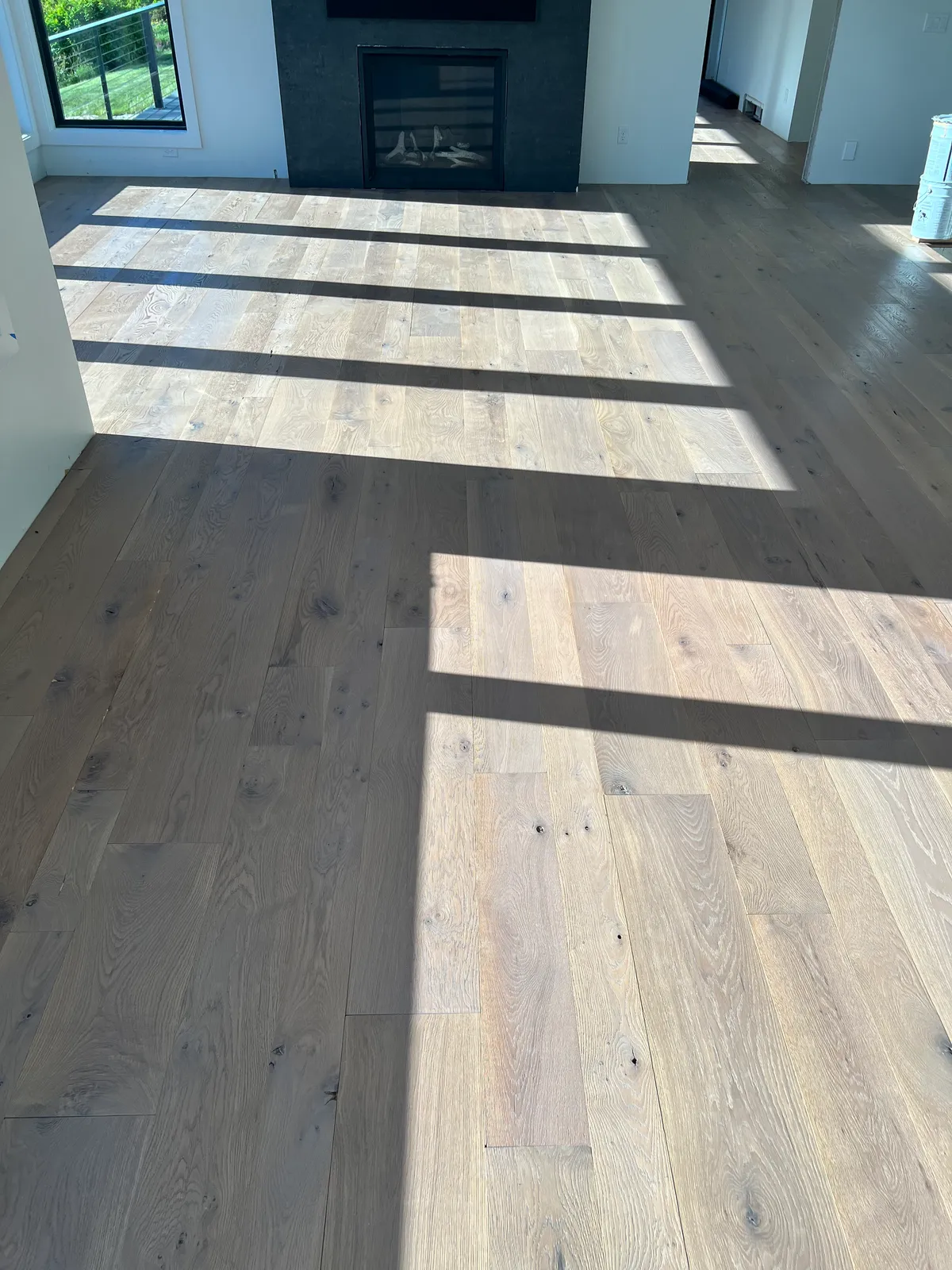
Flooring Salt Lake City: Best Hardwood, Laminate, and LVP for SLC Homes
Salt Lake City homes are not one-size-fits-all. An 1890s Avenues bungalow, a Sugar House craftsman, a downtown condo over concrete, and a Millcreek rambler on a slab all need different flooring decisions. If you searched for “flooring Salt Lake City,” this guide cuts through the noise with practical, neighborhood‑specific advice and real-world install notes from a local crew.
Quick answer — what works in SLC
- Engineered hardwood: best for main-level renovations in historic Avenues, Sugar House, and east‑bench homes where real wood matters but seasonal humidity swings demand dimensional stability.
- LVP (luxury vinyl plank): best for bathrooms, kitchens, mudrooms, and busy family homes — waterproof, forgiving over concrete, and low maintenance.
- Waterproof laminate: the budget‑smart workhorse for basements, condos with sound rules, and whole‑home installs where you want a wood look without the cost or moisture risk.
- Solid hardwood: beautiful, but high‑maintenance in our dry climate — OK on main levels only if owners manage winter indoor humidity.
If you want the fastest path to a correct recommendation, we’ll bring samples and test your floors on site. Book a Free In‑Home Floor Fit Consultation: /book/
Why SLC is different — what to plan for
- Dry air and elevation: Salt Lake City sits around 4,300 ft with low indoor winter humidity. That increases seasonal gapping and movement in solid wood.
- Old houses: Many homes in the Avenues, Sugar House, and parts of the east bench still have original wood hidden under carpet — often salvageable.
- Concrete and condos: Downtown condos and most basements are built on concrete slabs; that drives moisture testing, acoustic underlayment, and flotation or glue protocols.
- Traffic and snow: Mudrooms and entryways need waterproof, scratch-resistant surfaces because of grit, boots, and wet winter gear.
What we actually recommend, by neighborhood and house type
-
The Avenues, Liberty Park, 9th & 9th: Inspect original floors first. If they’re salvageable, refinish. If not, engineered hardwood in 3/4” or wider planks keeps the historic look without seasonal fights.
-
Sugar House & Craftsman bungalows: One material across the main level (engineered or premium LVP) simplifies sightlines and keeps the bungalow feel.
-
Rose Park & Westside renovations: Waterproof laminate or LVP hit the price/appearance balance for homeowners updating older stock.
-
Mid‑century ramblers and Millcreek: Slab foundations mean a floating floor (laminate) or glue‑down LVP. Unify the main level for the biggest visual improvement.
-
Downtown condos & lofts: HOA sound rules and concrete subfloors are the two realities. Use acoustic underlayments and pick a floor system approved by your association — waterproof laminate or LVP are usually the path of least resistance.
-
South Valley, Sandy, Draper: New construction is forgiving; engineered hardwood or premium LVP give the fastest payoff in resale and curb appeal.
Material pros and cons (short, local take)
-
Engineered hardwood
- Pros: Real wood surface, better stability than solid in SLC, works with radiant heat.
- Cons: Higher cost, limited refinishability unless you pick a thick wear layer.
- Typical installed cost in SLC: $11–$18 / sq ft.
-
LVP (Luxury Vinyl Plank)
- Pros: Fully waterproof, soft underfoot, great for bathrooms/kitchens/entryways, installs well over concrete.
- Cons: Not real wood (though looks are excellent), can compress under heavy furniture if not installed on proper subfloor.
- Typical installed cost in SLC: $7–$12 / sq ft.
-
Waterproof laminate
- Pros: Cost-effective, very stable over concrete when floated with the right underlayment, modern visuals.
- Cons: Edge and seam tech varies by brand — pick a reputable product for loud households.
- Typical installed cost in SLC: $6.50–$10 / sq ft.
-
Solid hardwood
- Pros: Classic look, long lifespan if maintained.
- Cons: Seasonal gapping and cupping risk in a dry climate; not for basements or over concrete without subfloor systems.
- Typical installed cost in SLC: $11–$18 / sq ft.
Real install variables that change price more than the plank
- Removal of old flooring (tile, asbestos tile, glued vinyl)
- Subfloor leveling, sistering joists, or replacing rotted sections in older homes
- Concrete moisture mitigation and testing for basements and condos
- Staircase work and transition pieces
Those trades—not the material itself—often move a $6/sq ft job into the $12–$16 range. We always inspect before quoting.
How we scope an SLC job (what we check on site)
- Subfloor type: wood, OSB, or concrete slab
- Moisture readings in concrete and wood
- Stair construction and nosing needs
- Trim, thresholds, and transition plan
- Lighting and color testing with samples in your rooms
Bring us a couple of sample photos and we’ll bring actual plank samples and underlay. We measure, test, and give a firm price at the visit. Book: /book/
Simple checklist for homeowners before you call
- Decide whether you want real wood look or full waterproof performance.
- Note rooms that will get heavy traffic, pets, or winter gear (mudroom, entry, kitchen).
- Take photos of stairs, transitions, and the subfloor edge if visible.
- If you live in a condo, check HOA flooring rules (sound rating, glue vs float).
Short FAQ — SLC homeowners’ common questions
Q: Engineered or solid hardwood for Salt Lake City? A: Engineered is the safer default across SLC because it handles our dry winters better. Solid works only in controlled interior spaces where humidity is managed.
Q: Basement or condo over concrete — laminate or LVP? A: For basements, choose waterproof LVP if you expect any moisture or need full waterproofing. Waterproof laminate is fine for finished basements with good moisture control and is usually less expensive.
Q: I have dogs — which holds up best? A: LVP wins for pets: waterproof, scratch‑resistant options exist, and it’s easy to clean. Look for a textured wear layer to hide scratches.
Q: How much will my whole‑home install take in SLC? A: Single room installs can be done in a day or two. A whole main level or whole‑home typically runs 3–7 business days depending on prep work.
Next steps — how to make this local and simple
We don’t sell samples from a shelf and send you home to guess. We bring curated samples to your home, test moisture and subfloor, and give a fixed quote. If your project is time‑sensitive we’ll prioritize scheduling and explain any demolition or prep that will add time.
Book a Free In‑Home Floor Fit Consultation and we’ll show what actually works in your light, on your stairs, with your trim: /book/
If you want a short neighborhood guide in print (Avenues, Sugar House, Millcreek, Downtown), tell us which zip code you’re in when you book and we’ll bring neighborhood‑specific samples and prep notes.